
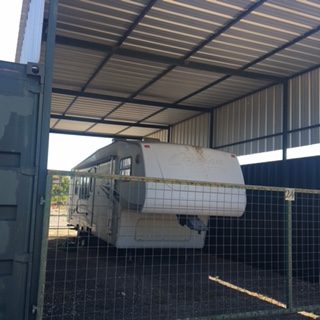
Covered RV Storage Options
Finding the right spot for your RV when you’re not using it is crucial. Harsh weather, intense sunlight, and debris can harm your RV if it’s left out. Protecting your vehicle keeps it in top shape for your next trip.
We aim to guide you through the covered RV storage options today. Choosing a professional facility offers peace of mind. It’s better than simple outdoor parking. Knowing about these options helps keep your RV safe from the elements for years.
Our friendly guide makes finding the perfect spot for your RV easy. We look at solutions that balance cost, security, and ease of access. Let us show you how to protect your RV while you wait for your next adventure.
Key Takeaways
- Professional facilities prevent damage from harsh weather and UV rays.
- Indoor units offer the highest level of security and climate control.
- Carports provide a cost-effective way to shield your vehicle from rain.
- Regular maintenance is easier when your unit remains clean and dry.
- Location and accessibility are vital factors when choosing a site.
- Proper housing helps maintain the long-term resale value of your asset.
Understanding Covered RV Storage
Your RV is a big investment that needs top-notch protection from bad weather. Open-air lots are common but leave your RV open to the elements. The right covered rv storage options keep your vehicle in great shape all year.
What Is Covered RV Storage?
Covered storage means structures that protect your vehicle from the weather. They have a strong roof and sometimes walls to block wind and rain. This covered parking for rv is a big step up from just parking outside.
These places are built to handle heavy snow and strong winds. They keep moisture away, preventing mold and mildew. This simple protection shields your entire RV.
Benefits of Choosing Covered Storage
The main perk of covered rv storage options is keeping your RV’s exterior looking new. UV rays can fade paint and crack decals. Parking under a roof blocks these rays, keeping your RV looking good.
“An ounce of prevention is worth a pound of cure when it comes to maintaining the structural integrity of your recreational vehicle.”
This covered parking for rv also guards against damage to important parts. Roof seals and rubber gaskets can dry out and leak in extreme weather. Saving these parts from damage saves you money on repairs later.
Storing your RV in a safe place also increases its value. Buyers like RVs that have been kept safe from debris, hail, and sun. Choosing quality storage is a wise move that can save you money when you sell or upgrade.
Different Types of Covered RV Storage
Finding the right spot for your RV is key. Each rv storage facility has its own mix of protection, ease of access, and price. This meets the needs of different RV owners.
Canopies and Carports
Canopies and carports are the most common outdoor rv storage options. They have a strong roof and posts to protect your RV from the sun, rain, and debris.
They don’t have walls but let in air to stop moisture. This design is budget-friendly for those who want to keep their RV out of the sun but don’t need a fully enclosed space.
Indoor Storage Facilities
Indoor rv storage offers the most protection. It’s a fully enclosed space that keeps your RV safe from wind, hail, and pests.
Many top places have climate-controlled rv storage. This is key for keeping sensitive parts like electronics and upholstery safe. It prevents damage from extreme temperatures.
RV Garages
RV garages give the best security and privacy. Unlike shared spaces, you can access your RV anytime without worrying about others.
These are built with strong materials and advanced locks. This choice keeps your RV in pristine condition all year round.
- Carports: Best for basic sun and rain protection.
- Indoor Units: Ideal for long-term security and weather shielding.
- Private Garages: Perfect for owners who prioritize total privacy and climate regulation.
Factors to Consider When Choosing Covered RV Storage
Finding the right storage for your RV is more than just a spot. You need to look at different rv parking solutions. Make sure they fit your RV’s size and your travel style.
Size Requirements
Measure your RV carefully before you sign anything. Don’t just trust the manufacturer’s numbers. Add-ons like air conditioners or satellite dishes can change its height.
Remember to include slide-outs and awnings if you’ll be doing maintenance. Ensuring your RV fits comfortably in the space is key. It prevents damage and makes moving in and out easier.
Security Features
Choose a secure rv storage place that cares about your safety. Look for places with modern security to protect your RV from theft or damage.
Good facilities have:
- Gated access with unique codes for each tenant.
- High-definition surveillance cameras at all entry and exit points.
- On-site management or 24/7 security to watch over the area.
Accessibility
Being able to leave quickly is important for weekend trips. Look for places with flexible access hours. This lets you get your RV when it’s convenient for you.
Also, think about the facility’s layout. It should be easy to get in and out with your RV. The best rv parking solutions balance security with easy access.
Popular Covered RV Storage Facilities in the U.S.
Looking for a secure RV storage facility? You have two main choices. You can go for a big national brand or a local spot. Each has its own perks, depending on your travel plans and budget.
National Storage Chain Options
National chains offer consistency across many states. They use top-notch security like HD cameras and electronic gates. If you travel a lot, using one brand can make things easier.
But, these places might not have the personal touch you want. Customer service might be through a call center, not on-site. They’re reliable, but might not offer the special care of smaller places.
Local Storage Solutions
Local providers shine with personalized service and a strong community feel. R&P Storage and RV Park is a top choice for keeping your vehicle safe. Call them at 817-202-7440 to learn more about what they offer.
Choosing a good RV storage facility is key for your peace of mind. Local parks often give more personal attention to your vehicle. By comparing, you can find the best mix of reliability and care.
| Feature | National Chains | Local Facilities |
|---|---|---|
| Security Tech | High (Automated) | High (Personalized) |
| Customer Service | Centralized | On-site/Direct |
| Pricing | Standardized | Flexible/Competitive |
| Maintenance | Limited | Often Available |
Cost of Covered RV Storage
Protecting your vehicle is crucial. When looking at covered rv storage options, prices vary. Knowing these costs helps you choose wisely within your budget.
Average Prices Nationwide
In the U.S., monthly storage costs range from $100 to $400. Prices change based on protection level and local costs. Urban areas usually have higher prices due to less land and high demand.
Rural areas might offer lower rates for the same service. It’s smart to check local prices before signing a contract. This way, you can find affordable rv storage that suits your needs without overspending.
Variables Affecting Storage Costs
Several factors affect your monthly bill. The size of your RV is a big one, as bigger RVs need more space. Facilities with extra security, like 24-hour cameras and gates, also cost more.
Seasonal demand also plays a part. Prices might go up during busy travel times. Booking early or choosing an annual contract can help you save. Here’s a table showing how different storage types affect costs.
| Storage Type | Protection Level | Estimated Monthly Cost |
|---|---|---|
| Outdoor Canopy | Moderate | $100 – $200 |
| Enclosed Carport | High | $200 – $350 |
| Fully Indoor Unit | Premium | $300 – $500+ |
Finding affordable rv storage means balancing cost and care for your vehicle. Ask about discounts for long-term or military service. Looking at all covered rv storage options helps keep your investment safe all year.
Seasonal Considerations for RV Storage
Choosing outdoor rv storage or covered parking for rv means you need to think about the seasons. Keeping up with maintenance helps your RV stay in top shape all year. By being ready for the weather, you protect your RV from damage.
Winter Storage Tips
As it gets cold, your main goal is to stop damage from freezing. Make sure to drain all water lines and add antifreeze to prevent pipes from bursting. Also, disconnect the battery or use a trickle charger to keep it charged.
It’s also important to control moisture in the cold months. Use dehumidifiers inside to stop mold and mildew. Even with a covered parking for rv, keeping it dry is key for long-term care.
“The secret to a long-lasting RV is not just where you park it, but how you prepare it for the inevitable shift in seasons.”
— RV Maintenance Expert
Summer Storage Needs
Summer brings heat and UV damage. High temperatures can cause materials to crack and fade. If you use outdoor rv storage, use reflective window covers to keep it cool.
Good ventilation is crucial in summer. Leave roof vents open to let air in and out. Also, check tire pressure and roof seals to avoid heat damage.
| Maintenance Task | Winter Focus | Summer Focus |
|---|---|---|
| Plumbing | Drain and Antifreeze | Check for Leaks |
| Interior | Moisture Control | Heat Reduction |
| Exterior | Sealant Inspection | UV Protection |
| Battery | Disconnect/Charge | Monitor Voltage |
Maintenance Tips for RVs in Covered Storage
Even when your RV is stored, it still needs care to last long. Indoor rv storage protects it from the weather, but you must still check on it. Fixing small problems early saves you from big costs later.
Regular Inspections
Visit your storage unit monthly for a visual check. Look for water signs, as small leaks can cause big damage. Catching these problems early is key to protecting your RV.
Watch for pests like droppings or chewed wires. Also, check seals around windows and doors. If you see anything odd, tell the facility manager right away.
Cleaning and Care
Choosing climate-controlled rv storage is a smart move. It keeps electronics safe and prevents damage to upholstery. But, you still need to keep it clean to avoid pests.
Here’s a simple care plan:
- Monthly: Check tire pressure and look for new scratches or dents.
- Quarterly: Run the generator briefly to keep the engine and battery in good shape.
- Bi-Annually: Deep clean the inside, remove food, and treat leather or fabric with protective sprays.
Sticking to this routine keeps your RV ready for adventure. Whether you use indoor rv storage or climate-controlled rv storage, your effort will pay off. A well-kept RV holds its value and gives you peace of mind for future trips.
Insurance for Covered RV Storage
Protecting your investment is key when looking for affordable rv storage. While the monthly cost is important, the safety of your RV depends on the right insurance. Peace of mind is priceless when you leave your RV at a facility.
Types of Coverage Available
Most RV insurance policies cover your vehicle even when it’s parked. Look for comprehensive coverage to protect against theft, vandalism, and fire. This coverage also includes damage from natural disasters like hail or windstorms.
Some policies also cover personal items inside the RV. Check your current policy to see if it covers your RV in storage. If it doesn’t, you might need to add a rider for full protection.
Important Considerations
Always ask the facility manager if they need proof of insurance. Many storage sites require a certificate of insurance before you can park. This is a safety measure for everyone at the facility.
When talking to your insurance provider, ask about storage-related clauses. Make sure your policy stays active while your RV is in storage. This way, your choice of affordable rv storage is a smart financial move.
- Verify if your policy covers storage-specific incidents.
- Keep a digital copy of your insurance documents for easy access.
- Ask your agent if your premiums decrease when the RV is in a covered structure.
Conclusion: Making the Right Choice for Your RV Storage
Choosing the right place for your RV is crucial. It helps keep its value and performance up. Now, you know how to pick a facility that fits your needs.
Looking for secure RV storage is key to peace of mind. These services protect your RV from bad weather and damage.
Key Advantages of Proper Storage
Proper storage keeps your RV’s roof, tires, and exterior looking good. It saves you from expensive repairs by shielding it from sun and moisture.
Good facilities offer more than just a parking spot. They have a supportive community and services to keep your RV in top shape.
Taking the Next Steps
Begin by checking out local options today. Contact places like Extra Space Storage or Public Storage to see what they offer.
Book your space early to secure a spot in a popular area. Take action now to have a clean, ready RV for your next trip.
FAQ
Why should I choose covered rv storage options over parking in my driveway?
Covered rv storage offers better protection than a driveway. It shields your RV from UV rays, hail, and debris. This helps keep your roof seals and paint in good shape.Using a professional storage facility is a smart move. It helps your RV last longer and keeps its value high.
What is the main difference between indoor rv storage and climate-controlled rv storage?
Indoor storage keeps your RV dry and wind-free. Climate-controlled storage also controls temperature and humidity. It’s best for protecting electronics and upholstery from extreme weather.
How can I find a reliable local provider for secure rv storage?
Local experts offer a personal touch that big chains can’t match. R&P Storage and RV Park is a trusted local provider. For secure storage in their area, call them at 817-202-7440.
What features should I look for when evaluating different rv parking solutions?
Look for convenience and top-notch security. Check for electronic gates, 24/7 video, and well-lit areas. Make sure it’s easy to get in and out without stress.
Is it possible to find affordable rv storage without sacrificing protection?
Yes, affordable storage depends on your climate. Outdoor storage is cheap, but carports and canopies offer good protection at a lower cost. Booking in the off-season or for a long term can save you money.
Do I need to perform maintenance while my vehicle is in a secure rv storage unit?
Maintenance is still key, even when your RV is stored. Visit your unit often for checks. Look for pests, check tire pressure, and watch for leaks. Regular care keeps your RV ready for travel.
Does my insurance policy cover my vehicle while it is in an indoor rv storage facility?
Most facilities require you to keep your own insurance. Talk to your agent about policies for storage. Always check with your chosen facility about needed documents before signing.